
You were betrayed!
You error-proofed your shower. They never had to. That’s not loyalty. It’s unpaid work.

You are in a hostage situation whether you know it or not. You may think it’s “brand loyalty”, but it’s more likely to be a failure of the brand. Your favorite consumer packaged goods (CPG) frequently let you down, creating invisible labor for you and a distorted sense of “loyalty” as a result.
Consider your morning routine. The alarm goes off and the clock starts ticking on the day. Autopilot kicks in. Coffee. Shower. Clothes. Hair. Breakfast. Work. The shower is where we do our best thinking, but we only do thist type of thinking when we are unencumbered by cognitive distraction. We rely on routine and the compensatory behaviors we’ve created to accommodate products that don’t accommodate us.
In our homes, we are creatures of habit. Our showers and bath tubs are organized to minimize the need for cognitive processing. We don’t think about how to turn the water on or how to activate the shower. We buy the same one or two brands of toiletries every time. We put them in our bathtubs and showers in the same place and in the same order. We know where our shampoo is. We know what color the bottle is, how the dispenser works, etc. We can differentiate this product from the body wash (or bar soap) and the conditioner due to location, bottle type/shape, content color, scent, etc.
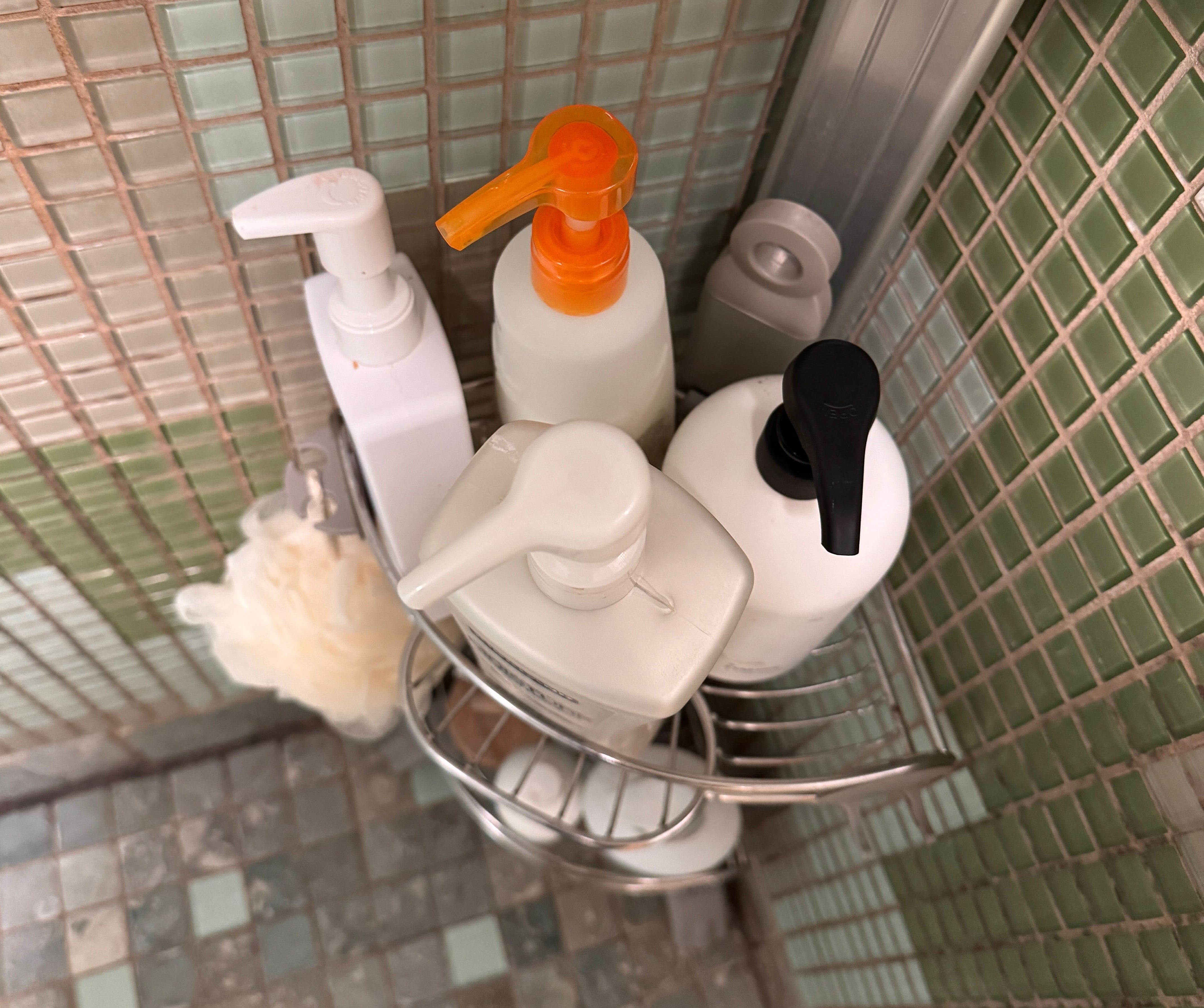
We have an order of operations too. Much like the toilet paper (over or under) debate, people have strong feelings about what comes first. You are either a shampoo - conditioner - soap/body wash person or you are a soap/body wash - shampoo - conditioner person. You don’t mix things up. That’s just chaos. The rote behavioral patterns tame the chaos and allow us to get on with our day. This has become so routine and normal, that when you do find yourself thinking about it in the moment, you may not remember what you’ve done already. “Wait. Did I condition my hair?” Is a refrain I have on a semi-regular basis as the coffee and the shower kick in and I actually start to wake up. There’s intelligence in our internal autopilot - particularly with the demands of the bigger world waiting on the other side of the bathroom door.
Our adaptability as humans is a survival mechanism and it serves us well. It’s also a super power that brands have exploited whether intentionally or not. The fight for share of wallet has turbocharged the power and hubris of brands.
In 1915, The Coca-Cola Company sought a way to differentiate their brand and to protect it from look-alike competitors. They issued a creative brief for a “bottle so distinct that you would recognize if by feel in the dark or lying broken on the ground.” With that simple brief, the iconic “Georgia Green” glass Coke bottle was born, conceived by The Root Glass Company, the bottle not only changed the Coca-Cola brand, it unleashed the power of design as a brand and market differentiator. This was also a moment of truth. The bottle was branded Coca-Cola and the contents of the bottle were, in fact, Coca-Cola. There was no guessing needed. Soon other brands sought to differentiate themselves in similar ways, particularly in the commodity world of food, beverages and toiletries. But, somewhere along the way, manufacturers lost the plot and the brand labeling and packaging became more important than the contents they contained. The betrayal had begun. It was subtle at first. There was still some distinction in color and shape of bottles, especially in toiletries. Over time, containers became more and more homogenous. This was partly the economics of mass production of bottles that were out of patent and could be used by any brand - simply change the label or maybe the color plastic used in the bottle, the cap or the dispensing unit - and partly the increasing competition for retail shelf space. Normalization of sizing and shelf density took hold. CPG companies wanted as many units on store shelves as possible. And the betrayal accelerated.
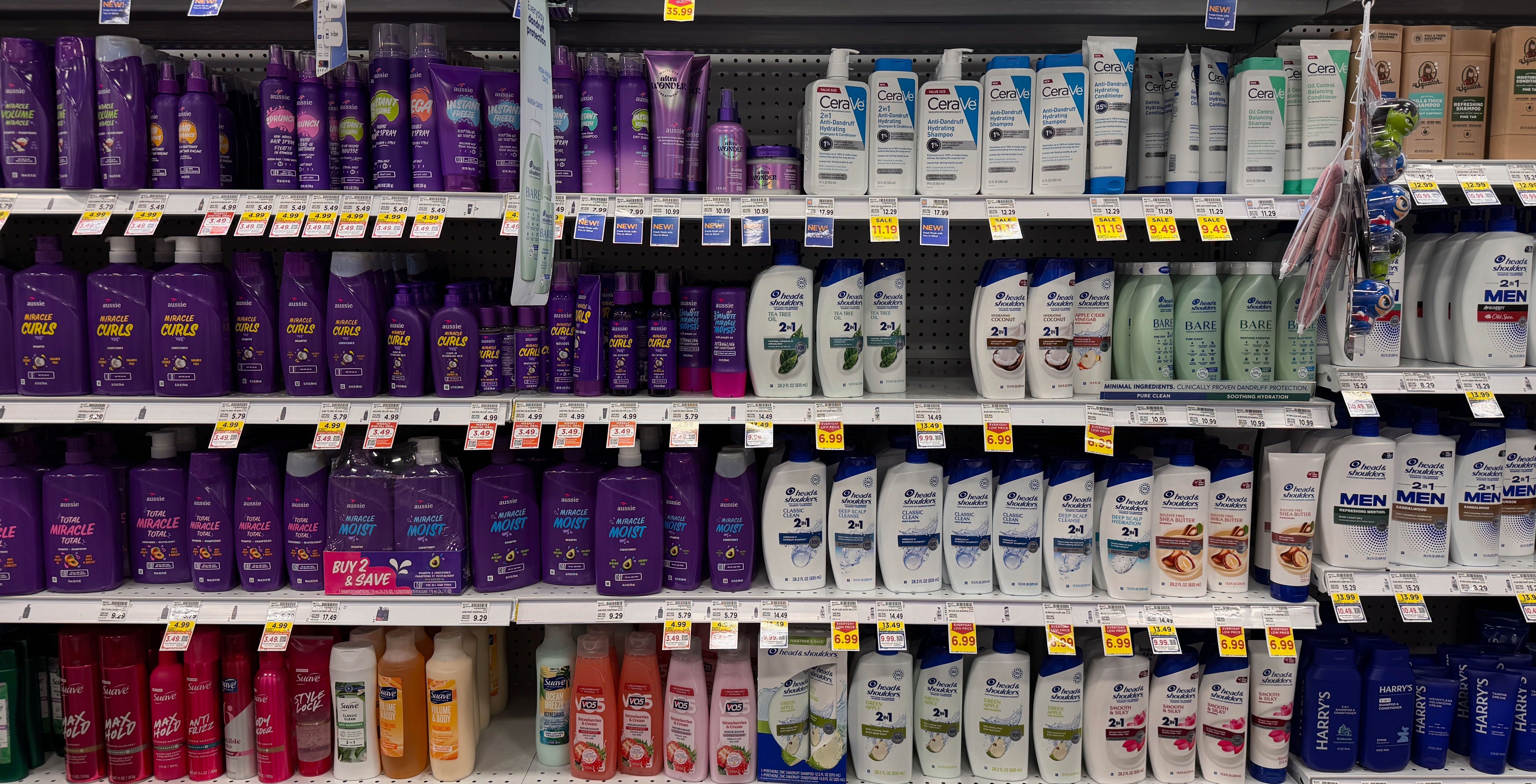
Today, the shampoo aisle is a sea of sameness. There are generally only a few bottle shapes - the cylinder, the monolith, the hourglass and the inverted pyramid with a flip top at the bottom. The brand names scream at you. The bottles are pearlescent white or soft pastels like pink and purple. Some are black plastic or dark brown, green or grey. A quick glance may help you identify the brand, but not the contents. That is the true betrayal. You can only determine the contents with a discerning eye and great intent. Perhaps the brand has gifted you, the consumer, with a tiny hint - maybe a slightly lighter (or darker) colored bottle or a different cap color. Realistically, they are too busy screaming their brand name (Pick MEEEEE!) to notice (or care) that you can’t read the label.
And, so, you have adapted to their poor design choices. You quietly created a system to reduce the likelihood that you will inadvertently shave your legs with the conditioner. Your response to the betrayal is to error-proof your shower because the manufacturers don’t care if you misuse the products. In fact, the sooner you run out, the better. You’ll be back to buy more. You didn’t become brand loyal because the product is better. You became brand loyal because switching brands would mean rebuilding a system you never should have had to build in the first place. The next time you reach for the same bottle without thinking, ask yourself: is this loyalty, or is this the sunk cost of invisible labor? Because there’s a difference. And the brands are counting on you never knowing it.
(Part 1 of a 3 part series)
This is excellent ty for writing it….while we r on the subject, is there a way make these types of products in packaging that doesnt require the sophisticated shenanigans to get a full 1/4 of the product out of the bottle??